Signs of a slab leak, why they happen in Oklahoma homes, and the repair options A Better Plumbing offers to fix them right.
A warm spot on your floor for no reason is not something to ignore. Slab leak detection matters because the plumbing running under your home's foundation is not something you can see, and by the time symptoms show up, real damage may already be happening. At A Better Plumbing, we handle slab leak calls across Oklahoma City, Norman, Edmond, and the surrounding area, and catching one early makes a real difference in both cost and disruption.
What a Slab Leak Actually Is
Most homes built on a concrete slab foundation have plumbing pipes running underneath or through that slab. When one of those pipes develops a leak, the water has nowhere obvious to go.
Water from a slab leak often travels sideways before it ever reaches the surface, which is why the wet spot you eventually notice may not sit directly above the actual leak. That gap between symptom and source is exactly why professional detection matters so much here.
Common Signs of a Slab Leak
A few signs together are far more reliable than any single one by itself. Watch for these patterns rather than reacting to just one symptom.
- A warm or hot spot on the floor, especially with hot water lines
- Unexplained increases in your water bill with no change in usage
- The sound of running water when all fixtures are off
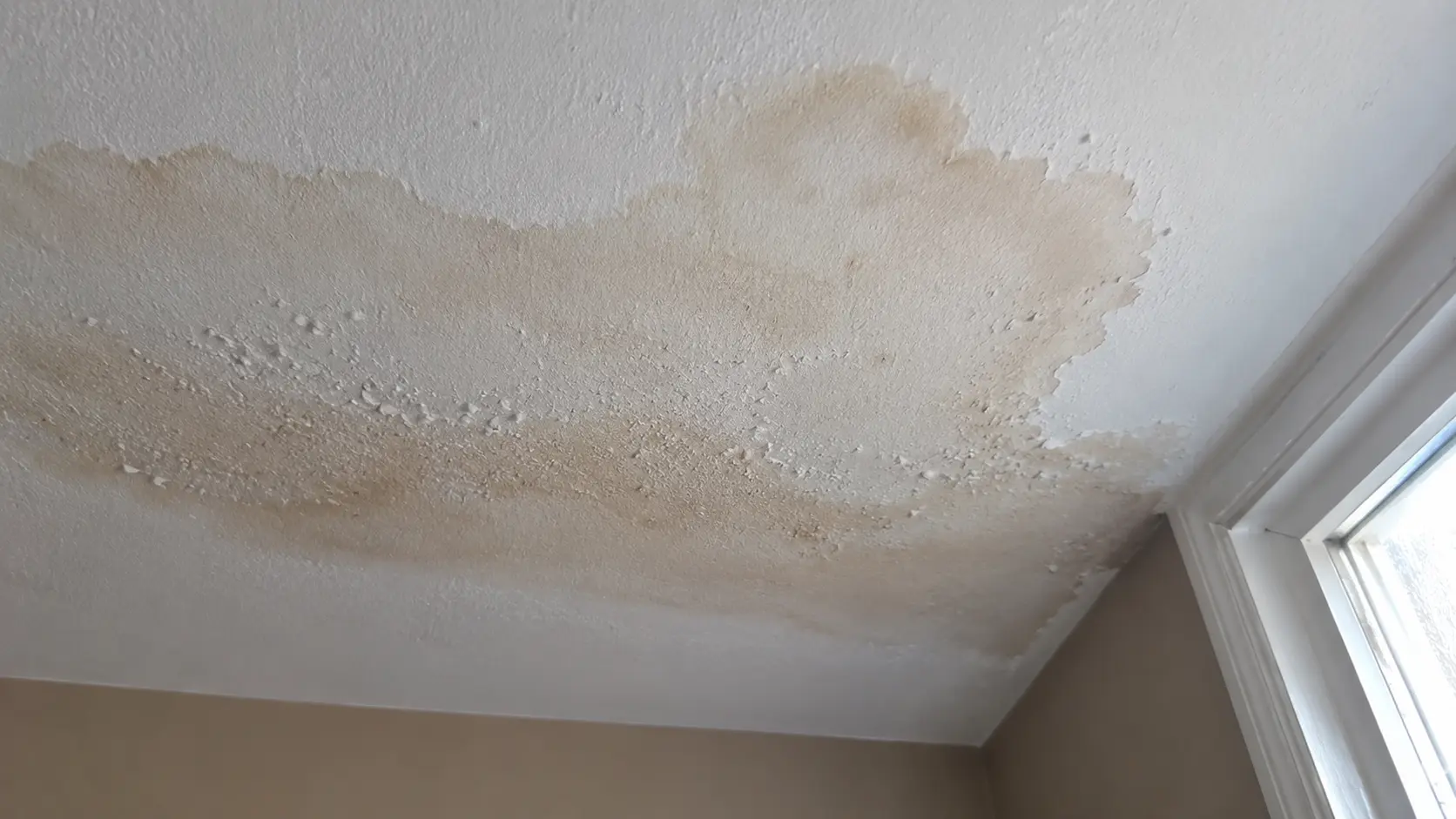
- Damp carpet, warped flooring, or a musty smell in one specific area
- Cracks in the foundation or walls that seem to be getting worse
- Low water pressure throughout the home
If you notice two or more of these together, that combination is worth taking seriously.
Why Slab Leaks Happen in the First Place
Oklahoma's clay soil shifts more than sandier soil found in other regions. That ground movement puts real stress on pipes running beneath a home's foundation over time.
Pipe age is the other major factor. Homes built before the 1990s often have copper supply lines, and copper is vulnerable to a slow chemical breakdown called pitting corrosion once it has been in the ground for a few decades. We see this constantly on older homes in the Norman and OKC metro area, where a single pinhole leak in a copper line can go unnoticed for months before the water bill finally gives it away.
Poor original installation also plays a role. Pipes laid too close together, fittings that were not properly seated, or abrasion where a pipe rubs against gravel or rebar inside the slab can all wear a small leak into existence years after the home was built. High water pressure from the city supply adds ongoing stress on top of that, which is why we always check static pressure as part of a slab leak inspection.
How We Actually Find a Slab Leak
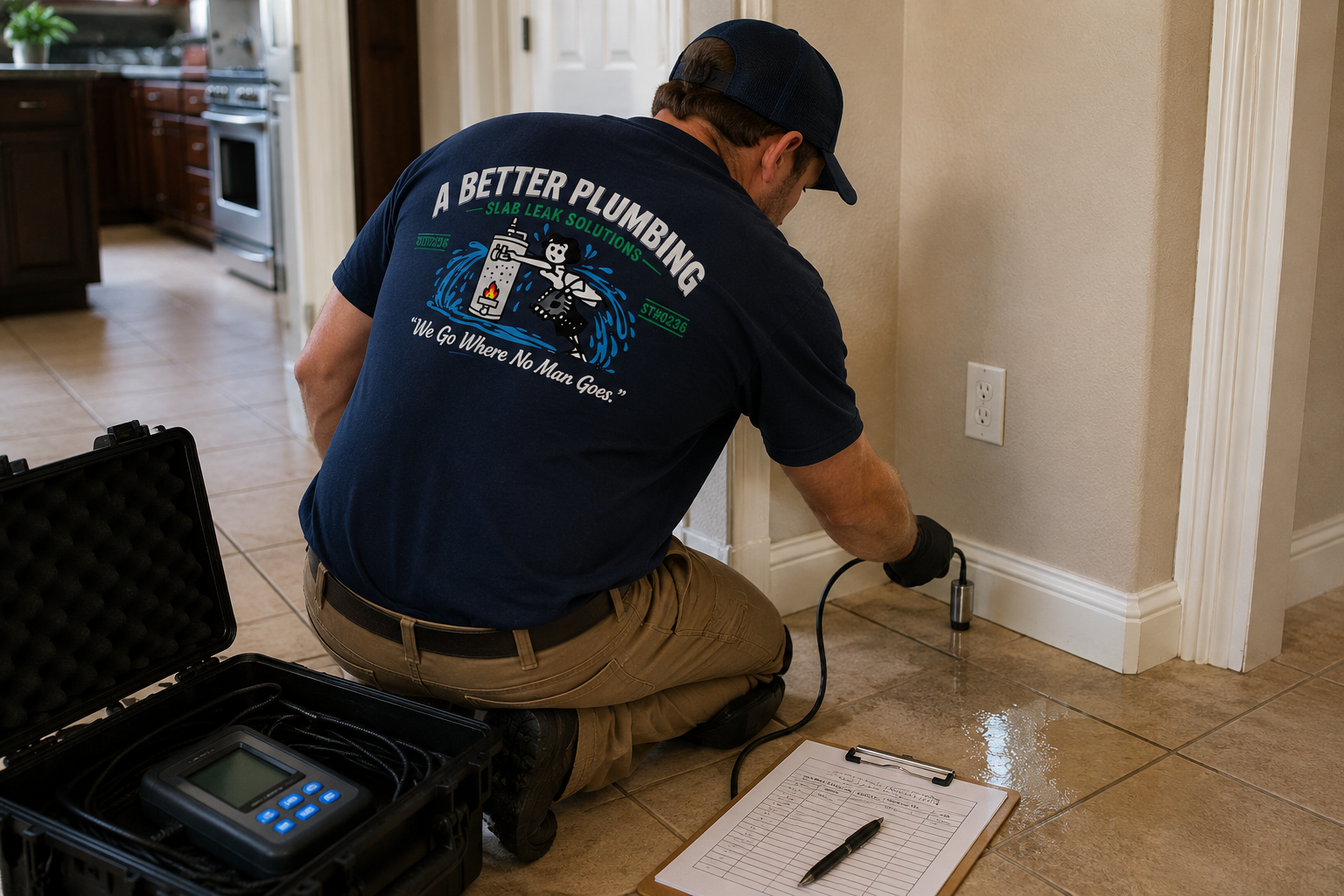
Guessing at a slab leak location and jackhammering blindly is expensive and unnecessary. Our technicians use a combination of methods to pinpoint the leak before any concrete gets touched.
Electronic listening equipment picks up the acoustic signature of pressurized water escaping a pipe, and because sound travels differently through soil, concrete, and open air, a trained ear can narrow the search area significantly. Thermal imaging cameras add another layer of confirmation by spotting temperature differences on the slab surface, which works especially well when the leak involves a hot water line.
For trickier cases, we also use tracer gas testing. A safe, non-toxic gas is introduced into the empty pipe, and as it escapes through the leak point and rises through the slab, a sensitive detector traces it back to the source within inches. This method has saved more than one homeowner from an unnecessary slab cut in the wrong spot.
Repair Options Once the Leak Is Located
There is not one universal fix for every slab leak. The right approach depends on the pipe material, the leak's location, and how much of the plumbing system is affected.
Spot Repair
If the leak is isolated to one small section, a spot repair lets us access just that portion of the slab, cut out the damaged pipe, and replace it. This is often the fastest and least invasive option when the rest of the plumbing is in good shape.
Pipe Rerouting
Sometimes it makes more sense to reroute the water line entirely, running new pipe through the attic or along an interior wall instead of back through the slab. This avoids cutting the foundation at all, which many homeowners prefer, and it can also be a smart long term move if the existing pipe material is nearing the end of its expected lifespan anyway.
Pipe Lining
For certain leak situations, an epoxy pipe lining process can seal the interior of the existing line without removing it. This works best on leaks caused by pitting corrosion rather than a physical break, and it avoids slab excavation completely.
Full Repipe
If a home has multiple leaks or aging pipe throughout, a full repipe addresses the underlying problem instead of chasing individual leaks one at a time. It costs more upfront, but for a home with copper pipe from the 1970s or 1980s, it often ends up being the more economical choice over the following decade.
What to Do If You Suspect a Slab Leak
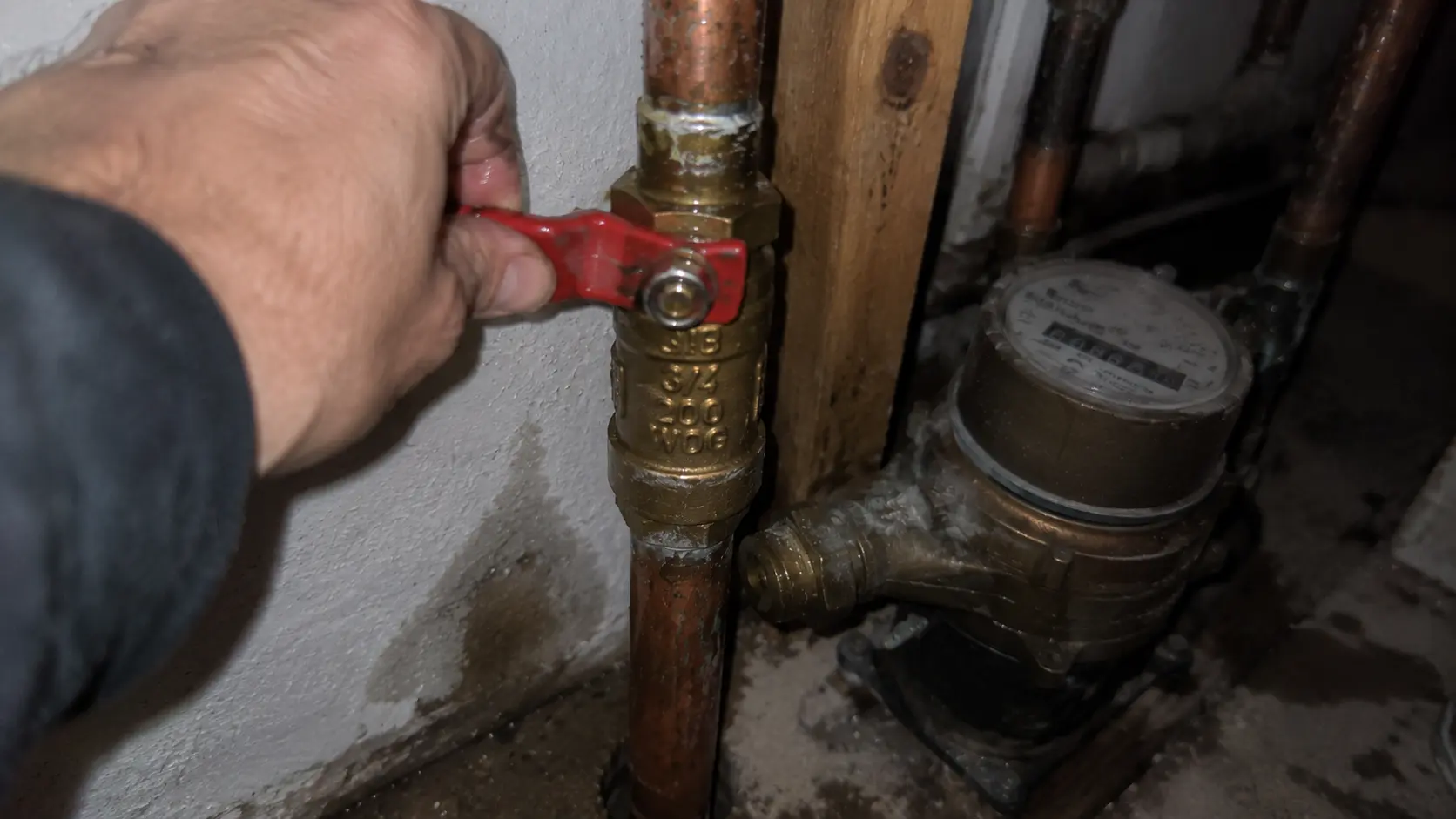
Turn off the water at the main shutoff if you notice active flooding or a rapidly climbing water bill, then call a licensed plumber before assuming the worst. Waiting rarely helps with a slab leak, since the water sitting under or inside your foundation can lead to mold growth, soil erosion under the slab, and even structural settling if it goes unaddressed long enough.
A Better Plumbing has served Oklahoma City, Norman, Edmond, and the surrounding communities for 50 years, and slab leak calls are some of the ones our technicians know best. We would rather confirm there is nothing to worry about than have a homeowner sit on a hunch for another six months.
Frequently Asked Questions
How much does slab leak detection cost?
Slab leak detection cost varies based on the size of the home and how accessible the plumbing is, but professional detection is almost always far less expensive than the cost of unnecessary slab cutting or water damage from a leak left undetected. We provide an upfront estimate before any work begins.
Can a slab leak fix itself or get better on its own?
No. A slab leak will not seal itself, and pressure from the water supply typically makes the opening larger over time rather than smaller. What starts as a small pinhole leak can turn into a significant water loss issue within weeks.
Is a slab leak covered by homeowners insurance?
Coverage depends on your specific policy and the cause of the leak. Many policies cover the resulting water damage but not the plumbing repair itself, so it is worth reviewing your policy details or asking your insurance agent directly once a leak is confirmed.
How long does slab leak repair take?
A spot repair can often be completed in a single day once the leak is located. Rerouting or a full repipe takes longer, typically a few days to a week depending on the size of the home and the scope of work involved.
Will I need to replace my flooring after a slab leak repair?
If we access the leak through the slab itself, flooring directly above the repair area will usually need to be replaced. Rerouting or pipe lining can sometimes avoid this entirely, which is one reason we walk through all the options with you before starting.
How do I know if it's a slab leak versus another plumbing issue?
The clearest signs are a warm spot on the floor, the sound of running water with everything off, and a water bill that jumps without any change in your household's usage. If you are seeing any of these, a professional inspection is the fastest way to get a real answer instead of guessing.
If you are noticing any of these warning signs in your Oklahoma City area home, do not wait for the problem to get worse. Contact A Better Plumbing today to schedule a slab leak inspection and get a clear, honest assessment of what is going on beneath your floors.